For months, digital breadcrumbs suggested a significant portion of the WNBA’s recent surge in popularity and revenue was inextricably linked to Caitlin Clark. Her entry into the league has been credited with an unprecedented level of engagement, drawing massive audiences previously unseen in women’s basketball. However, when Clark was ruled out of the 2025 WNBA All-Star game, the financial implications were immediate and severe, costing the league an estimated 1.2 million viewers and millions in potential revenue.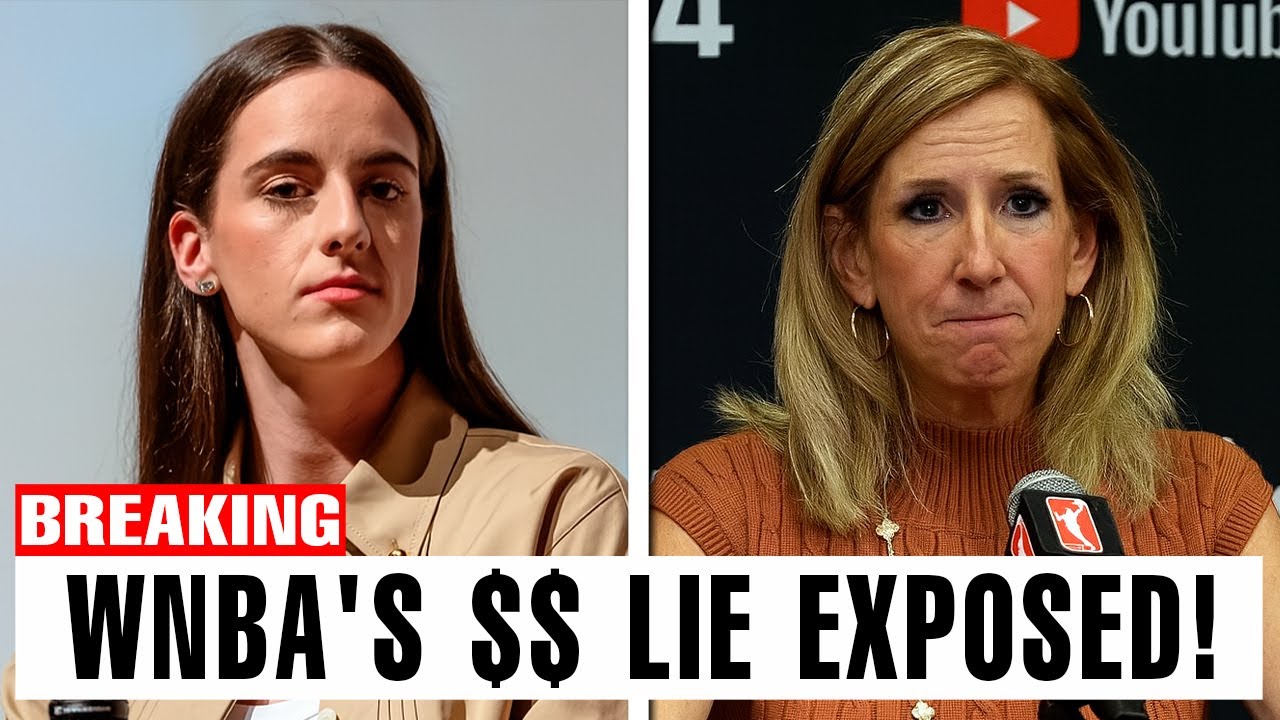
The most striking evidence of this dependency was the dramatic crash in ticket prices for the All-Star game. Prices didn’t just decline; they plummeted by 48%, from an average of $121 down to $64 overnight. This level of price volatility around a single player is virtually unheard of in professional sports, even when compared to the absences of NBA titans like LeBron James, Steph Curry, or Kevin Durant, whose teams rarely see such a drastic market shift. This market reaction, observers contend, exposes the WNBA’s most closely guarded secret: its entire economic recovery and future appear to hinge on one 23-year-old from Iowa.
Adding to the complexity, the timing of this financial exposure coincided with WNBA players advocating for substantial salary increases and better working conditions. While players wore protest shirts demanding “Pay us what you owe us,” the market was simultaneously demonstrating a stark reality about the league’s value without its biggest draw. This created a profound disconnect between the perception of collective growth and the tangible evidence of market value.
ESPN, a key broadcast partner for the WNBA, attempted to frame the 2025 All-Star game’s viewership as “historic,” averaging 2.2 million viewers. However, this figure represents a 1.2 million drop from when Clark played in 2024—a 36% decline in viewership. Critics argue that comparing 2025 viewership to 2023 (which saw an 89% increase) rather than 2024 was a deliberate attempt to “bury the lead” and obscure the impact of Clark’s absence. In television economics, a 36% viewership drop is not a mere dip; it’s a significant financial setback that advertisers and sponsors undoubtedly notice.
The implications extend to future media rights deals, which are reportedly being negotiated on the premise of sustained “Caitlin Clark-level engagement.” If such audience volatility continues in her absence, these projections could face significant adjustments. This places collective bargaining negotiations in a precarious position. While players’ demands for higher salaries are understandable in a growing league, the market’s clear dependency on Clark challenges the notion of widespread, diversified growth.
The situation has created a visible fracture within the WNBA fanbase. On one side, traditional fans defend players’ rights to organize and demand fair compensation. On the other, Caitlin Clark’s growing legion of fans point to the numbers, asking uncomfortable questions about who truly drives the league’s economic engine. There’s an irony, some suggest, in the league benefiting immensely from Clark’s popularity while simultaneously appearing to downplay her individual importance or, as some perceive, alienating the very fans who have flocked to the sport because of her.
The financial evidence, including verified ticket price tracking and Nielsen viewership data, suggests a critical unsustainability in the current model. The WNBA, it’s argued, cannot build an entire economic framework around one player and simultaneously work to diminish that player’s individual impact. When Clark plays, the WNBA resonates as a legitimate professional sports league with significant economic potential. When she doesn’t, it risks reverting to its previous status as a niche product struggling for mainstream attention.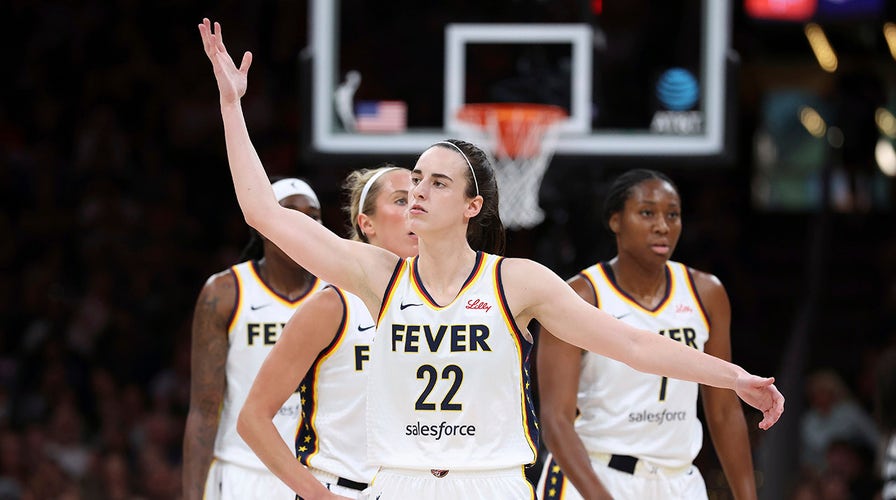
The core tension lies in the league’s desire for an “equality messaging” where all players are seen as equally replaceable for a “rising tide lifts all boats” philosophy to hold true. However, the economics tell a different story: Caitlin Clark is not “just another player”; she is, at this moment, the central economic force.
Ultimately, the WNBA faces a critical choice. It can fully embrace and build around the “Caitlin Clark effect” honestly, or it can strategically diversify its appeal to reduce this single-player dependency. The third, unsustainable option, is to continue benefiting from her immense impact while simultaneously downplaying its significance. As the market continues to deliver clear signals with every ratings comparison and ticket price analysis, the WNBA is in a period of intense scrutiny, where its financial future will be defined by how it navigates this undeniable truth. While players deserve fair compensation, that compensation must be assessed against transparent market dynamics, which, for now, remain heavily skewed towards one transformative talent.